
How It Works Second Life for the End-of-Life EV Batteries
Discover how we transform end-of-life EV batteries into sustainable energy storage systems. Our process ensures that valuable resources are recovered and reused, reducing waste and supporting a circular economy.


1. Collection and Transportation
Receive end-of-life lithium-ion batteries from electric vehicles. Transport, sort, and prepare them for further processing.

2. Disassembly and Diagnosis
Carefully disassemble each battery system, diagnose the residual state of health (SOH) of each lithium-ion cell, and group cells with similar capacities.

3. Reconfiguration or Cell Grouping
Reconfigure grouped cells into modules suitable for stationary energy storage systems, maximizing their remaining life and utility.

4. Finalisation or Module Assembly
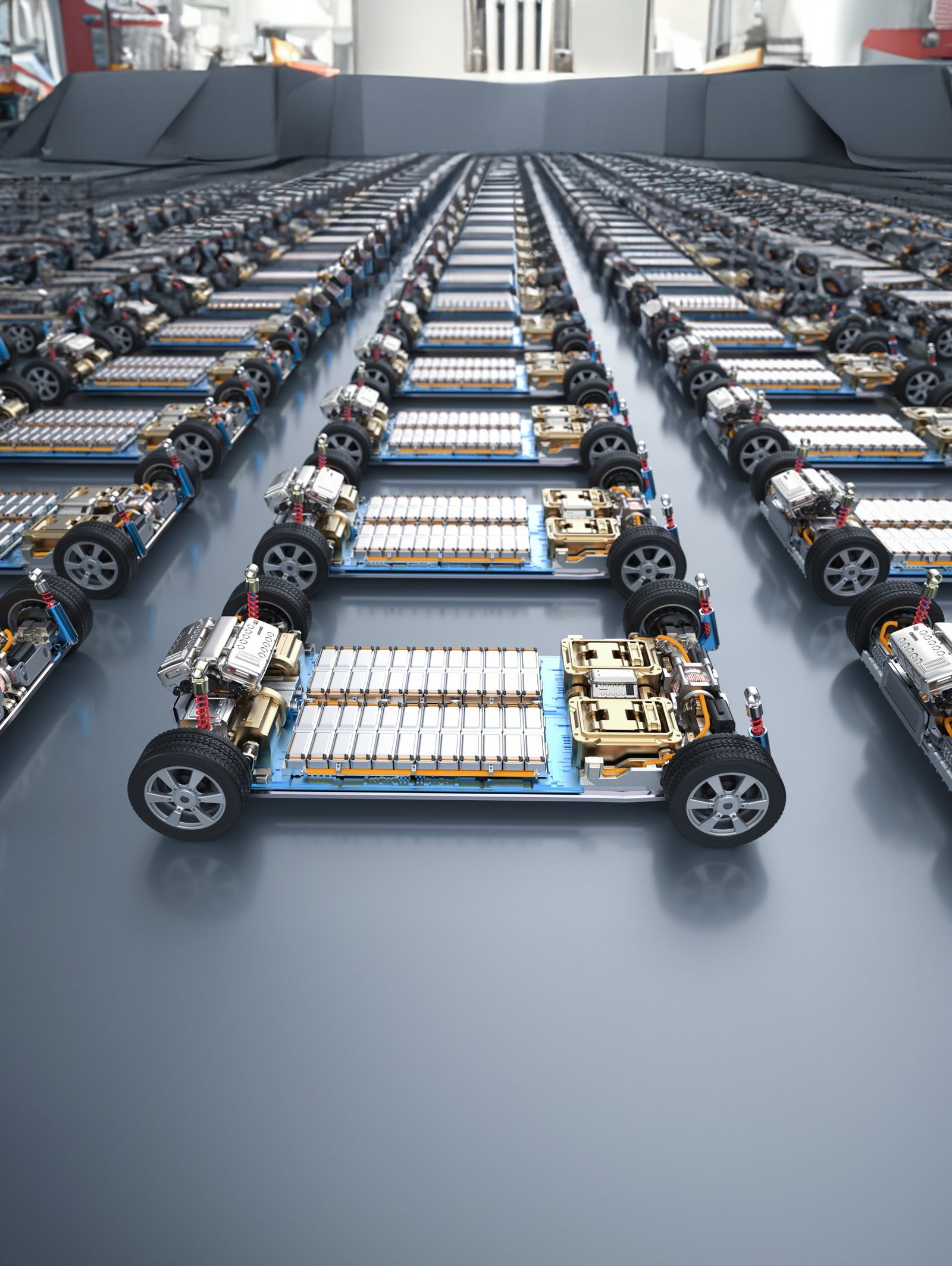
Introduction to EV Batteries
As the “heart” of an electric vehicle, EV batteries power the car and serve as energy storage systems. With their advanced lithium-ion technology, these batteries are essential for both modern mobility and sustainable energy solutions.
Sustainability Through Repurposing
Once an EV battery’s capacity drops to 70-80%, it may no longer be viable for vehicle use. However, repurposing these batteries through processes like collection, discharge, assessment, disassembly, and reconfiguration can extend their life, create additional revenue, and contribute to a circular economy.
The Transformation Process
The transformation of end-of-life EV batteries into stationary energy storage systems involves multiple steps: transporting, receiving, sorting, and utilizing. Batteries are disassembled, diagnosed for health, and grouped by similar capacity, ensuring optimal performance in their second life.
Finalized Energy Storage Solutions
The result of this recycling process is a fully-functional module for energy storage systems. These modules provide a sustainable solution, maximizing the remaining useful life of the battery while reducing electronic waste and environmental impact.
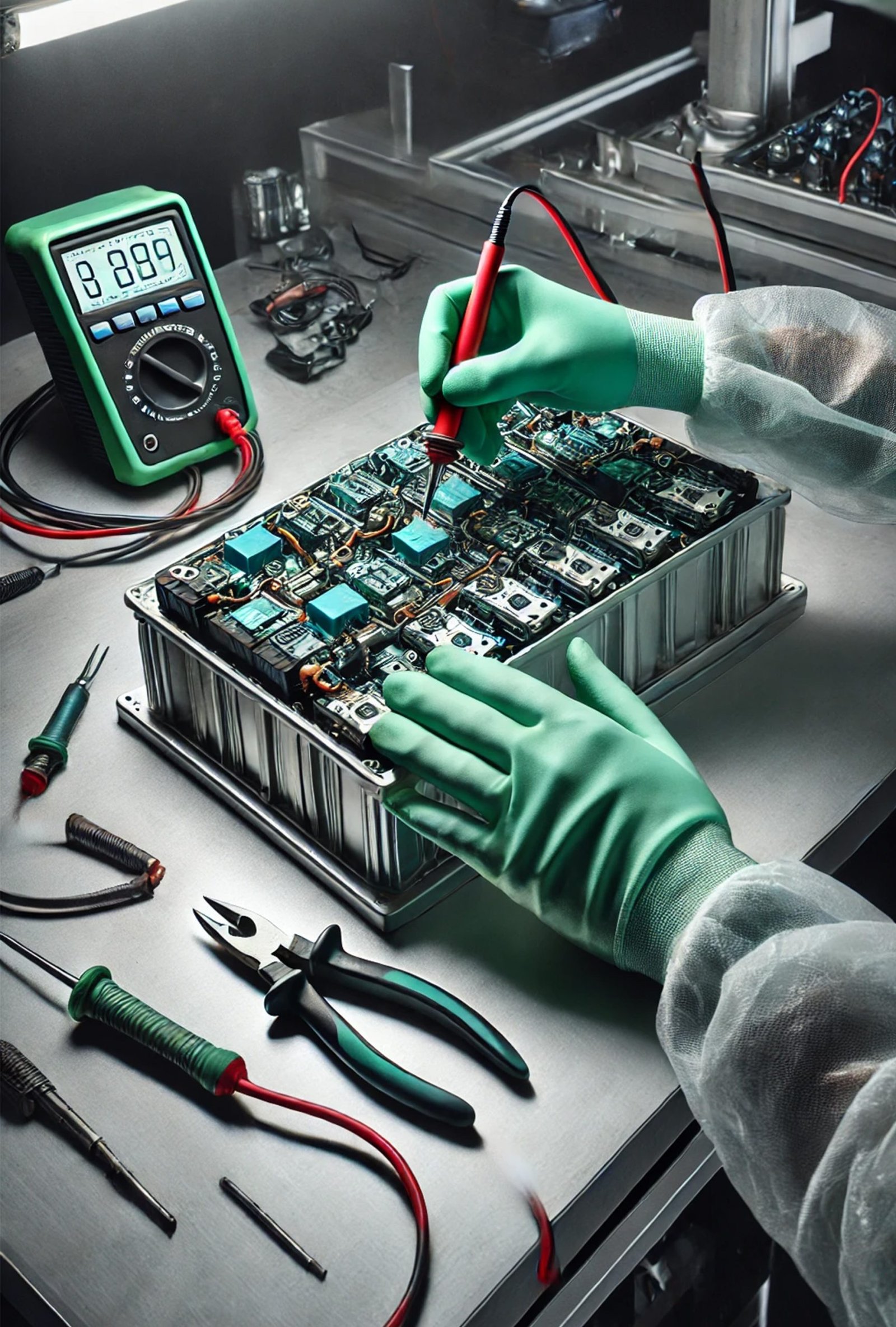
Embracing Sustainable Energy Solutions
At Rebsol, we are committed to extending the life cycle of EV batteries by transforming them into second-life energy storage systems. Our innovative processes ensure that end-of-life batteries are repurposed effectively, reducing electronic waste and contributing to a cleaner, greener planet. Learn how our solutions are making a difference in sustainable energy.

Efficient Battery Repurposing
From electric vehicles to stationary energy storage, our repurposing techniques enable the continued use of batteries beyond their automotive life. By maximizing the remaining capacity, we create sustainable storage solutions that reduce waste and enhance energy efficiency.

Second-Life Storage Systems
Using advanced diagnostics and reconfiguration methods, we transform end-of-life batteries into reliable energy storage modules. This process supports renewable energy applications, extends the battery’s utility, and adds economic value.

FAQ
What is a second-life storage system for EV batteries?
When electric vehicle (EV) batteries reach 70%-80% of their original capacity, they are considered nonviable for vehicles but still contain a substantial amount of usable energy. These batteries can be repurposed into stationary energy storage systems, extending their useful life and maximizing their economic value.
How are end-of-life EV batteries repurposed?
The process involves several steps: collection, transportation, disassembly, diagnosis of individual cells, reconfiguration or grouping of cells with similar capacities, and final assembly into new storage modules.
Why repurpose EV batteries instead of recycling them directly?
Repurposing EV batteries allows us to tap into their remaining useful life, generating additional revenue and minimizing waste before they are ultimately recycled. This process also contributes to a more sustainable, circular economy by maximizing the value extracted from each battery.
What are the benefits of using second-life EV batteries for energy storage?
Second-life EV batteries offer a cost-effective solution for energy storage, supporting renewable energy integration, reducing the need for new raw materials, and decreasing the overall carbon footprint of battery production.
How does the recycling of EV batteries support sustainability?
Recycling EV batteries recovers valuable materials like lithium, cobalt, and nickel, reduces the need for new raw materials, minimizes environmental impact, and contributes to a circular economy by keeping resources in use for as long as possible.
Contact Us
Have questions, need a quote, or just want to chat about recycling? We’re here for it! Drop us a line — we promise we’re way more responsive than your old phone battery.