
How It Works Transforming Lithium-Based Batteries into New Resources
Discover how we recycle end-of-life lithium-based batteries into valuable raw materials. Our process efficiently recovers key components, reducing waste and supporting a circular economy while conserving resources and minimizing environmental impact.


1. Receiving and Storage
Once we receive the batteries from electric and hybrid vehicles, we are following strictly a full testing cycle in accordance with our HSE regulations and in order to create a proper end product.

2. Disassembling
The battery systems (or modules) contains the main components: lithium-ion cells, metal housing, metal bars that hold the individual cells; copper conductors in the form of cables and busbars; electronic components and boards to provide charge and discharge control at cell level.

3. Diagnosing
Each individual Li-ion cell must be checked for residual capacity. If necessary, performed (with an additional charging device supporting adequate charging curve technology and current and voltage levels) recovery / training cycles to increase capacity and improve the performance of the cells.

4. Grouping and End product
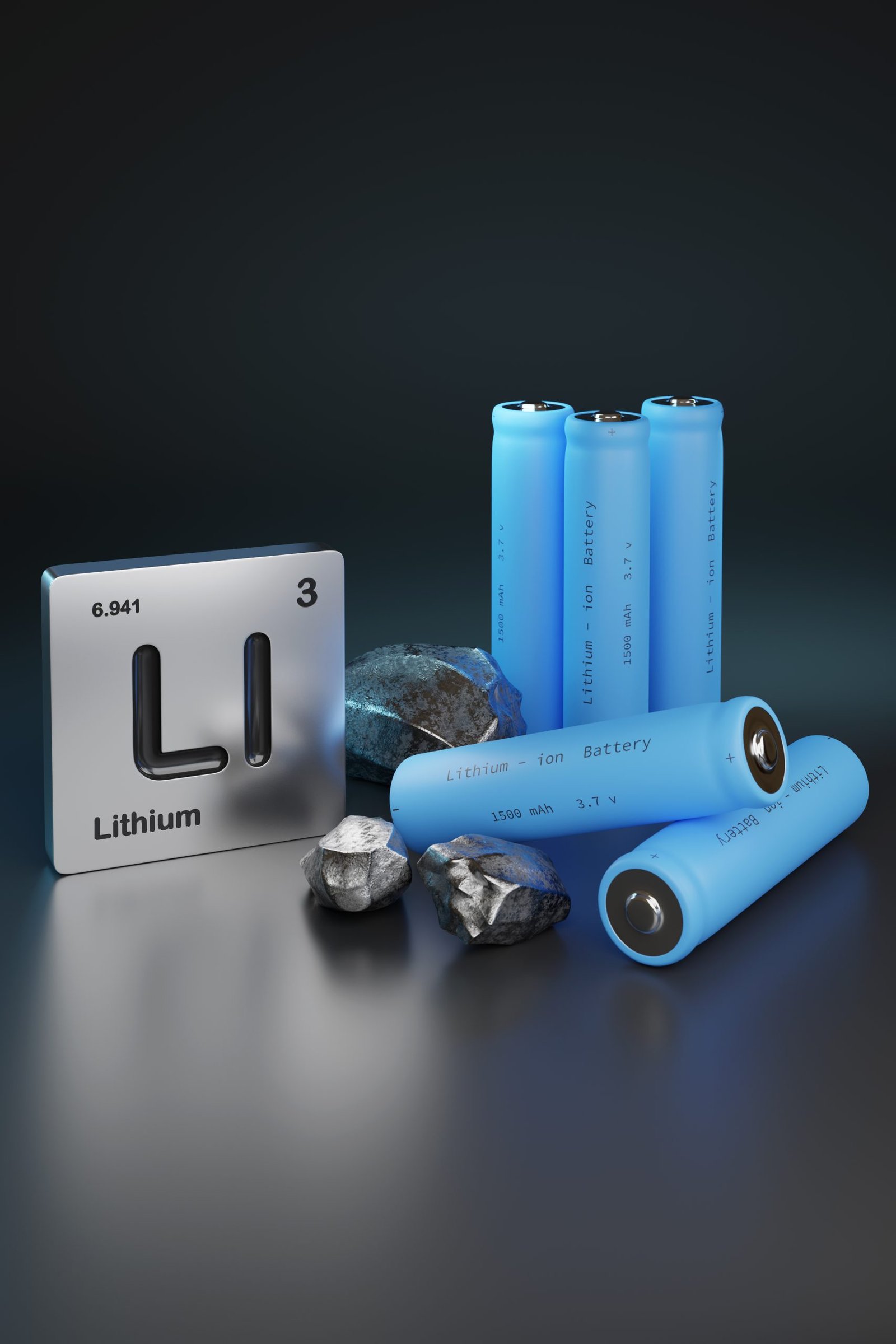
Lithium-Based Batteries: Recycling to Raw Materials
Recycling end-of-life batteries from various applications, such as electric vehicles and consumer electronics, is crucial for creating a cleaner environment. This process helps prevent toxic pollution, reduces electronic waste, and conserves valuable resources.
What Makes Up Lithium-Ion Batteries?
Lithium-ion batteries are composed of several valuable metals, including lithium, copper, manganese, cobalt, and nickel. When these batteries are retired, they undergo a process where they are collected, fully discharged, shredded, and the base metals are separated to prepare them for recycling.
What is ‘Black-Mass’?
During the recycling process, a shiny, metallic mixture known as ‘black mass’ is produced. This mixture contains all the valuable metals found in battery anodes and cathodes—the most expensive parts of a battery. The black color comes from the high concentration of graphite found in the anodes of batteries.
Why is ‘Black Mass’ Important?
‘Black mass’ constitutes about 40-50% of the total weight of an EV battery. Other materials such as binders, copper, electrolytes, plastics, aluminum, and steel are physically separated by shredders before being recycled. The remaining material is a black-colored mixture with silvery metallic flecks, rich in valuable metals ready for reuse.
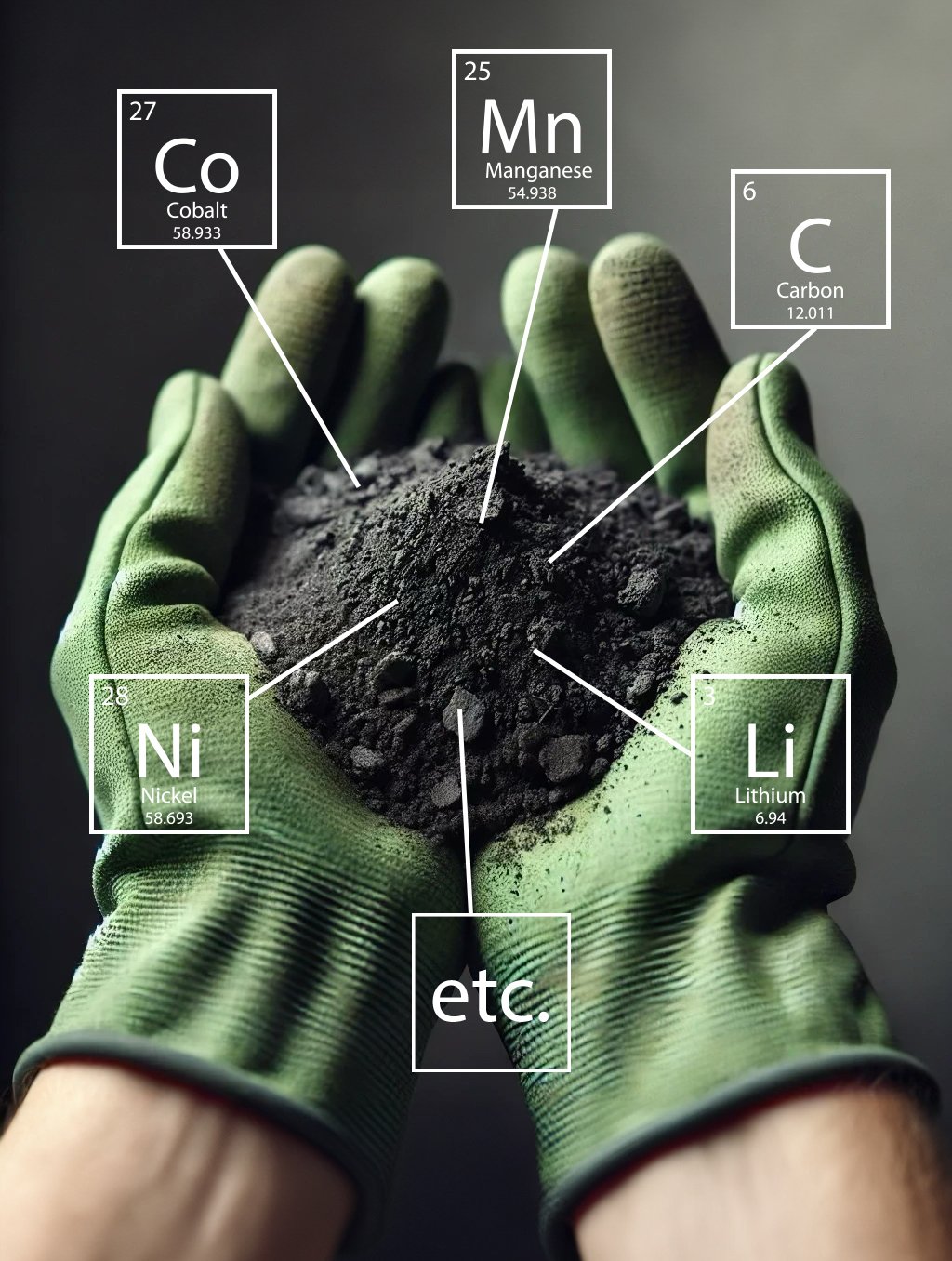
Embracing Green Innovation
At Rebsol, we turn today’s waste into tomorrow’s resources, offering sustainable solutions for a cleaner planet. Discover how we contribute to a greener future through innovative recycling processes.

Efficient Battery Recycling
From electric vehicles to consumer electronics, our advanced processes recover valuable materials from end-of-life batteries, reducing waste and supporting a circular economy.

Black Mass Production
Our cutting-edge recycling technology separates precious metals from used batteries to create ‘black mass,’ a vital resource for new battery production, minimizing environmental impact.

FAQ
What types of lithium-based batteries do you recycle?
We recycle a wide range of lithium-based batteries, including those from electric vehicles, consumer electronics, and industrial applications. This includes lithium-ion batteries commonly used in smartphones, laptops, and power tools.
What is the 'black mass' in lithium battery recycling?
‘Black mass’ is the term for the valuable mixture of materials recovered from the shredded remains of lithium-ion batteries. It contains critical metals such as lithium, cobalt, nickel, manganese, and graphite, which can be refined and reused in new battery production.
Why is recycling lithium batteries important?
Recycling lithium batteries prevents toxic pollution, reduces electronic waste, conserves valuable resources, and supports a circular economy by reclaiming and reusing materials like lithium, cobalt, and nickel.
How does the lithium battery recycling process work?
The process involves collecting the end-of-life batteries, fully discharging them, shredding them, and then separating the base metals. The resulting black mass is further processed to extract valuable materials that can be reused.
What materials are recovered from lithium battery recycling?
The recycling process recovers valuable materials such as lithium, copper, manganese, cobalt, nickel, and graphite. These materials are crucial for the production of new batteries and other electronic components.
Contact Us
Have questions, need a quote, or just want to chat about recycling? We’re here for it! Drop us a line — we promise we’re way more responsive than your old phone battery.